July 2026
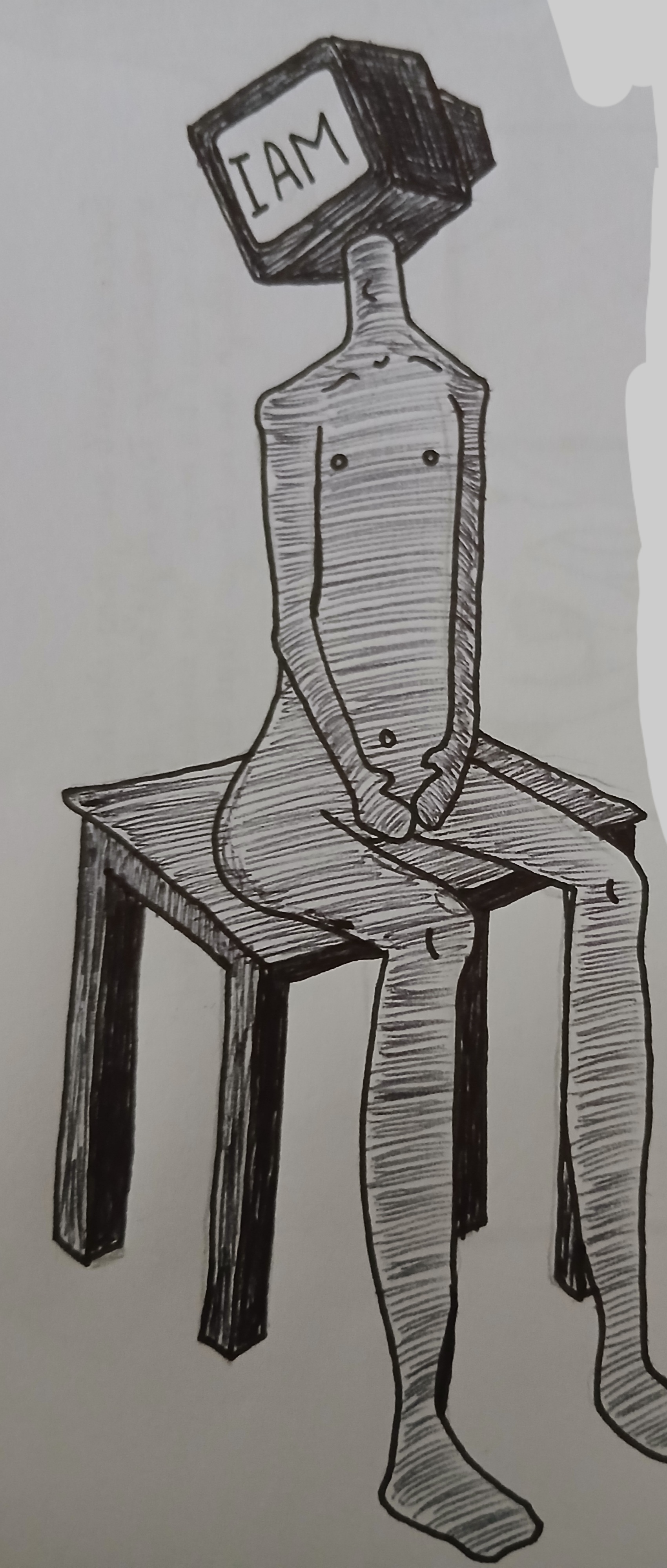
Whoever believes the underground is a footnote in cultural history has never torn up a page at three in the morning and started over. Has never had ink under their fingernails. Has never photocopied a booklet in a hundred copies and dropped it into strangers' mailboxes. Even now, people still sit over their texts at night, polishing sentences, copying booklets together — without publishers, without distribution, without the help of the great A.
The mainstream sleeps well. It has contracts, editors, funding applications. It has juries that confirm its taste, and arts sections that explain its taste. The men and women in their ivory towers lost touch with underground literature long ago.
The underground asks anyway.
Zines remain the beating heart of underground literature to this day. Small booklets, freely assembled: illustrations, fragments, collages, poems, confessions. They are passed along in doorways, stuffed into bags, forgotten in washing machines and read anyway. No distribution. No algorithm. Everything is permitted.Queer voices create their own spaces this way. Voices from prison cells manage to be heard this way. Academia clings to its titles and has always looked down upon Art Brut: raw art without permission, without theoretical apparatus, without a cultural entry ticket. The mainstream calls that dilettantish. The underground calls that freedom.
Whoever disturbs underground literature at night will regret it in the morning. Then badly stapled zines lie scattered across living rooms, streets, and stairwells. Underground artists do not sleep. Nobody stops them. Nobody puts a muzzle on them. Nobody knows them. And yet they are still among us. Those whose voices cannot be heard in the mainstream or within institutions. Because they sound raw, loud, and unpleasant.
The danger of the underground is not its rawness. The danger is its indifference toward recognition. The elephant in the porcelain shop storms through the lecture halls. A system built on attention and prestige has no tool against someone to whom attention and prestige mean nothing. Whoever insists on being fully understood rarely belongs to the underground.
They live quietly in their run-down apartments, work free from any constraint, and publish for a small circle of readers. The underground artist has no name, no face, and no interest in prizes or achievements. He writes or draws out of a necessity that does not exist inside seminar rooms. Much of it is unfiltered, loud, and unfinished. Yet the artist remains true to his attitude and scoffs at recognition or prestige. He writes because otherwise he would drown.
While everything becomes networked and commercialized, the underground defends its independence. Do it yourself is what keeps the underground alive in the first place. The path is not easy for anyone. Costs are cut wherever possible and commerce is meant to be despised. The underground does not wait to be invited, because it does not need the invitation.
Whoever disturbs underground literature at night will find nothing in the morning. No ruins, no capitulation. Only new pages. Badly stapled, crookedly printed, already on their way.